Baby toys that don't break the bank

Baby toys are precious—so cute and colorful! And watching babies play with them is the sweetest. Week by week, you see them learning new skills: grasping, batting, squeezing, manipulating, chewing, banging, stacking, inserting, throwing, and on and on. The other day, we watched our 3-month-old granddaughter working hard to get her left arm up to bat at a bright, plastic mobile (one designed for such activities, to be clear). What effort and concentration! And so it is often with baby toys—babies have fun and enjoy them, because they have fun learning, exploring, and developing motor skills. Not to mention that toys can—sometimes, depending on the baby and the toy—buy the caregiver a few moments of peace or a chance to load the dishwasher.
Plenty of manufacturers produce toys well-researched to match developmental levels. To my mind, the easiest, most reliable way to find good ones is to go to your local independent toy store, where the experts have screened and selected the options. We’re lucky to have such a store in our neighborhood—not to mention a wonderful children’s bookstore.
But (you knew there was a “but” coming, didn’t you?) wow…it doesn’t take many trips to the store to exhaust one’s toy budget. Not to mention the fact that baby toys meet quite ephemeral needs: That $23 mirror toy will be developmentally appropriate (i.e., interesting to Baby) for 2-3 months max, then it’s just another bit of stuff for the grown-ups to figure out what to do with.
Enter two modern solutions and three old-fashioned ones.
Plugging into toy networks
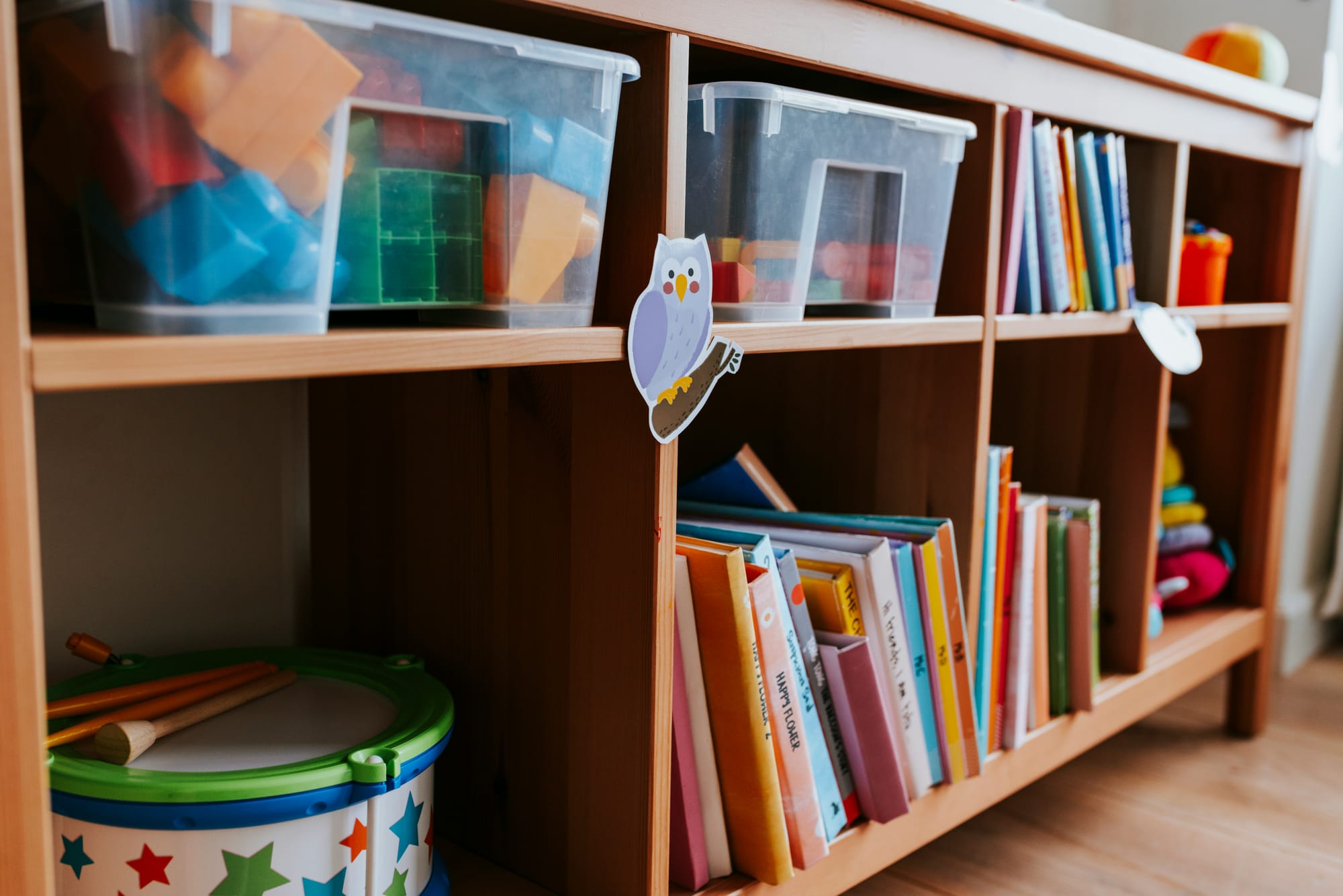
The first modern solution is a toy library. Here in Minneapolis, our toy library charges a $40-$100 annual fee, depending on ability to pay, with a discount for volunteers. Families can borrow toys for 2-4 weeks, keeping up a stream of new and interesting activities for babies or older children (up to age 5), without having to buy an endless stream of toys. What a great option for grandparents, too, if you don’t have a lot of space, or if the grandkids only visit occasionally!
The library has toy safety and screening protocols—and just in case, you can also do your own cleaning before letting Baby play with the borrowed toys. One downside of this approach: you have to borrow and return the toys on the library’s schedule, which can be tricky with a baby in the house, but may be easier for grandparents. Here’s a link to search nationally for a toy library near you.
The second modern solution is your local Buy Nothing group. This option connects people via FaceBook or an app who need items or who have items to give away. At the link, you’ll find instructions for connecting via FaceBook groups (the more local option) or by app. One member of our family makes extensive use of Buy Nothing via their local FaceBook group. They have found that receiving and offering items provides a way to connect with neighbors and community, avoid waste, and save money. In particular, using Buy Nothing has given them a way to acquire and shed toys and clothes as interests and sizes change over time. The chief drawback of the Buy Nothing approach, when it comes to baby toys, is that there is no guarantee that there will be any available when you need them—a downside perhaps offset by the opportunity to forward your downsizing efforts by finding new homes for your stuff.
Using what you've got
The first old-fashioned option is garage sales. Just get there early, as quality baby toys will get snapped up.
The second is hand-me-downs—feels so good to hand those well-loved items on, and so great to receive them.
Then there’s my favorite old-fashioned option—the non-toy toy, aka household items. Babies are interested in everything, so anything is a potential baby toy. The limit, of course, is safety.
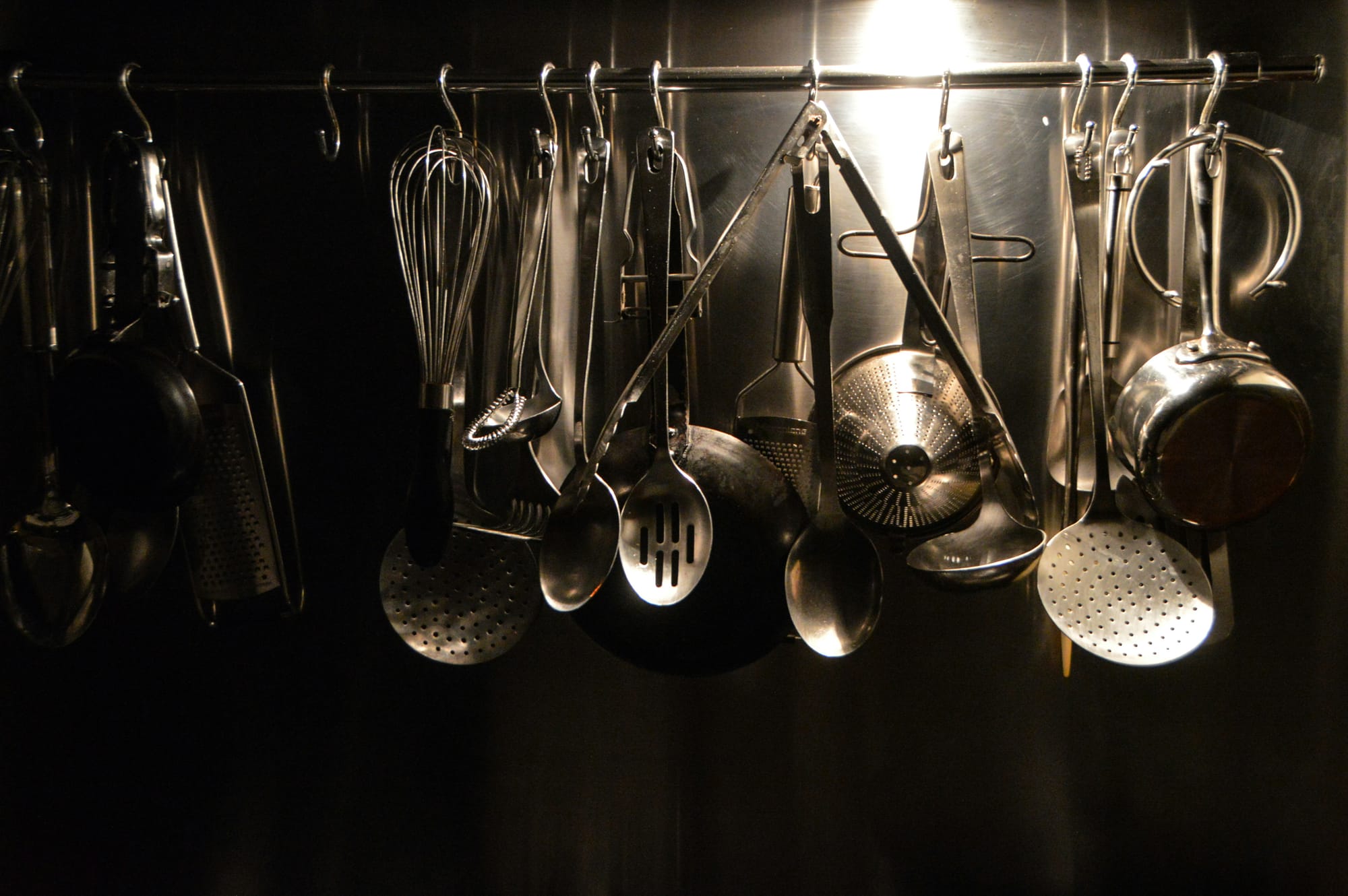
Kitchens are great sources of non-toy baby toys: pots, pans, lids, spoons for banging on them, sieves, muffin tins, whisks, all those plastic containers you’ve been saving, measuring spoons, oven mitts (hmm, when did I last wash mine? I bet they’re pretty tasty). And a very fun one from the BBC: Vegetables! Interesting shapes and textures to explore (but see above for considering which ones are safe for the baby in your care).
Use your ingenuity to make rattles out of kitchen items, too. For example, an empty plastic ketchup or salad dressing bottle with a tight screw-top lid, plus a bit of dry rice or a few dry beans, and you’ve got it.
Babies also love things to put things in. An empty tissue box or an egg carton can hide treasures for Baby to retrieve, and hide again.
Once mobile, Baby might enjoy bigger boxes—ones they can even crawl into. Be sure to check for staples or other sharp objects inside, though.
Pillows and couch cushions are great, too, for crawling up and over. (Pro tip: If you have space to hold onto worn-out cushions, older kids can use them to make forts or for landing pads to soften leaps from the couch or stairs.)
Final pro tip: Think about the day’s toy assortment for a few minutes before Baby arrives or wakes up from a nap, if possible—it’s a lot easier to be creative and thoughtful about what’s appropriate and safe if you figure this out while you’re not also managing fussiness, diapers, and feeding.
With a bit of foresight planning options, you’ll get as much joy out of watching Baby play as she or he gets from playing!