THE TIME IS NOW
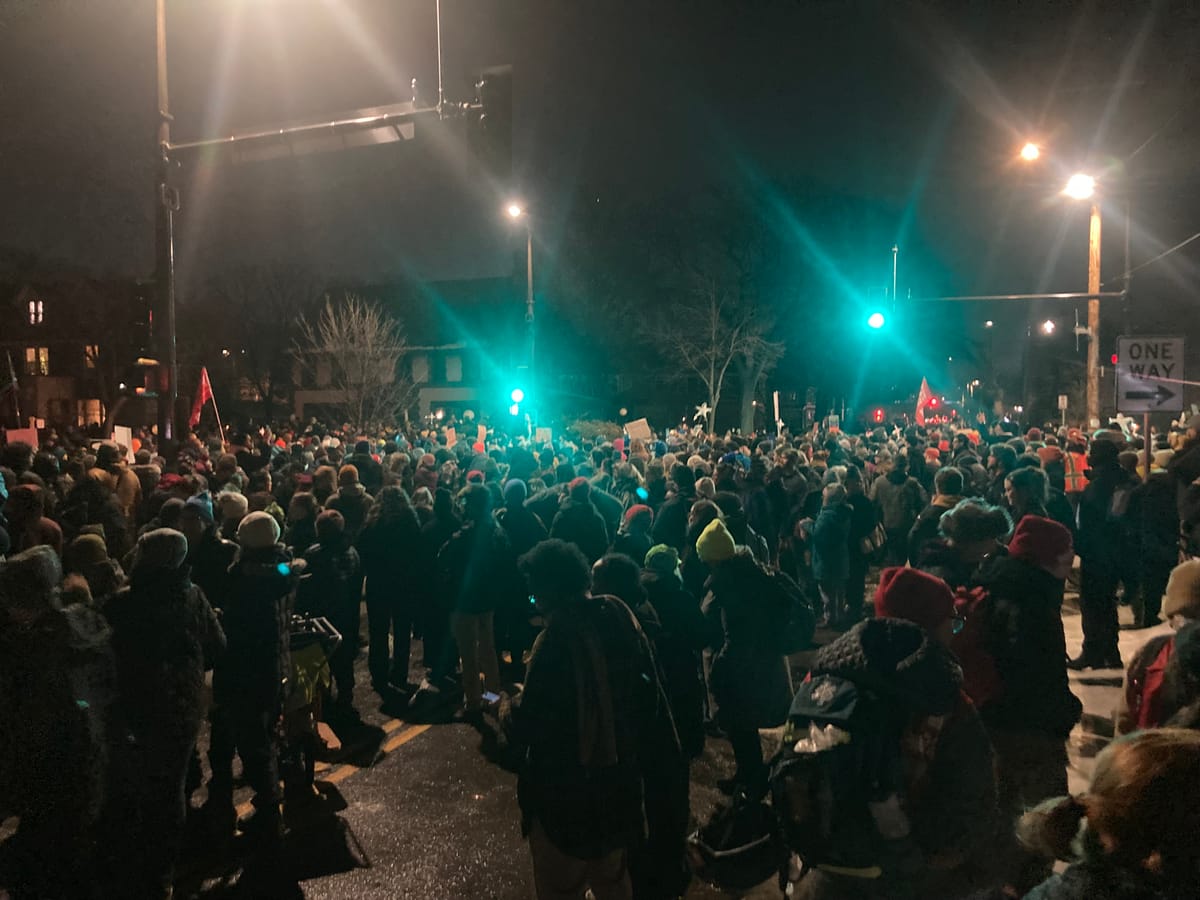
If a person wants to know how people (themselves included) would’ve reacted to the rise of the Nazis in Germany in the 1930s, they need only look to how they are reacting now in the US. Matt Frank, a friend and attorney,wrote on Facebook, January 10, 2026.
A telling detail in the videos of Renee Good’s killing by ICE agent Jonathan Ross: After she has been shot three times and her car pulls away, about to crash a few yards later, he or another agent says, “F____ b____.” Not “What have we done?” or “Thanks, dude, you saved us.” They use a dehumanizing slur—visceral and misogynistic.
We’ve known the direction: Trump calls our Somali-heritage congresswoman Ilhan Omar and our neighbors “garbage,” and his minions don’t blink. Kristi Noem apparently thinks dogs, goats, and people can be killed without remorse when they are inconvenient to her.
But grandparents, if you needed a wake-up call that things are not going to be good for your grandchildren if this continues, this is it. Imagine a future in which it’s OK for a guy with a gun to call your granddaughter a “f_____ b____,” kill her on thin pretext, and get away with it. Imagine one in which it’s your grandson doing the dehumanizing or the killing.
Imagine that clearly, now. And act as if it’s real, because it is, right now. In Minneapolis and across the country.

This is not a drill
Fewer and fewer people, I suspect, think that those of us who are worried are overwrought. Once a neighbor has been shot in the head for using her voice (and, without malice, her car), with no consequence for the killer; once citizens are pulled from their workplaces; once ICE is going out of their way to intimidate observers, it’s abundantly clear that those currently in power think they can do anything to anyone. That’s just an observation and connecting the dots, not hysteria.
But if those images still seem far-fetched, consider the current administration’s disregard of core values many parents and grandparents try to instill in their children or grandchildren. Love and truth, especially, with freedom and justice as close runners up. (Runners up because love and truth help with figuring out what to do with our freedom or evaluating what is just.)
We’ve always been short on love, truth be told. Minnesota, in particular, is home to the George Floyd murder, and the long history of prejudice against Black people that goes with it. We’re the home of the Fort Snelling concentration camp. And, fueling white conservative anger, we’re like the rest of the country in not taking rural and blue collar people’s concerns seriously. But now it’s worse, or back to the 19thcentury: Not just ignoring or disadvantaging, but actively hunting Somali and Latino people (with Native Americans getting swept up, too). And from the White House, Steven Miller squawking about power being the key political principle—the principle on evidence in ICE’s tactics of intimidation and dehumanization.
Here in Minnesota, though, we are at least nice, on average. And a lot of people do better, welcoming waves of immigrants as they arrive, and volunteering and donating at one of the highest levels in the country. Perhaps as a grandparent, you’d like to keep it that way—or improve it, not go backwards!
Truth has always been hard to come by, too. That’s why we need scientists, philosophers, journalists, whistle-blowers, and myriad others to help us find objective truth, and theologians, religious leaders, novelists, artists, and myriad others to help us find subjective ones. But now, from the top, truth isn’t even a consideration. Both Trump and Noem immediately issued obvious falsehoods about the event. And there is an ongoing project of assault on truth, and even more, avoidance of the truth (those unreleased Epstein files) distraction from the truth (Venezuela, etc., etc.) in an attempt to confuse us. And oh, yeah, AI. But I bet most parents and grandparents still teach their kids and grandkids to tell the truth—and would just as soon that they know how.
Similarly with freedom and justice—definitely imperfect, especially for non-white people. But still ideals we mostly share, and mostly would like our grandchildren to live in their whole lives. But for that to happen, we need to stem the tide right now. Right now.

Doing the work
So this is grim. Pessimism is understandable, given where we are. But our pessimism is fuel for the authoritarian movement, and hope is fuel for our resistance. So, in hope, let’s get to work. Here are a few ideas, ranging from scary (being a constitutional observer shouldn’t be scary, but these days it is; see links above) to practically cloistered but still effective (donations):
Participate in protests or vigils. With peaceful protests (the absolute goal!), this is easy—you don’t even need a sign. Just be a warm body to swell the crowd.
Become a constitutional observer, or a casual one.
Speak out, and encourage others. That’s basically what I’m doing in this post. But you can speak out in person, too, with your friends, neighbors, or members of your faith community. If everyone who was at Saturday’s Powderhorn Park protest got two more people to the next one? Voilá! A protest triple the size.
Call your state and national congresspeople. I used to be scared of making the calls, if you can believe it—what a wimp!—but I PROMISE it isn’t scary. They barely want to listen to you—just want to check the box on what side you’re on. Just have a sentence or two ready, and you’re done.
Spend money: Immigrant-run businesses are taking a big hit, because their core customer group is afraid to shop or work. If you’re white, pay a visit.
Donate money: Find out what groups in your community are offering aid to the families being terrorized by ICE. In Minneapolis, Rochester, and doubtless elsewhere, lay and religious groups are bringing groceries to people who are afraid to go out. Give money to help them continue this work.
Or pack and deliver the groceries.
Or act like the public school parents, standing watch outside schools, helping children get to and from school so their targeted parents can stay safe, and bringing a bag of groceries along, too.
Figure out what groups are organizing actions in your area. Get on their email lists. When you’re ready, volunteer.
And always, because actions do speak louder than words, do your best to set an example. Your grandkids will learn from your example whether to stick their head in the sand, to help their neighbors, or to “Stand up! Fight back!”
In solidarity, Philosopher Grandma, aka Susan Hawthorne.