How to unplug your 'dopamine grandkid'—and yourself
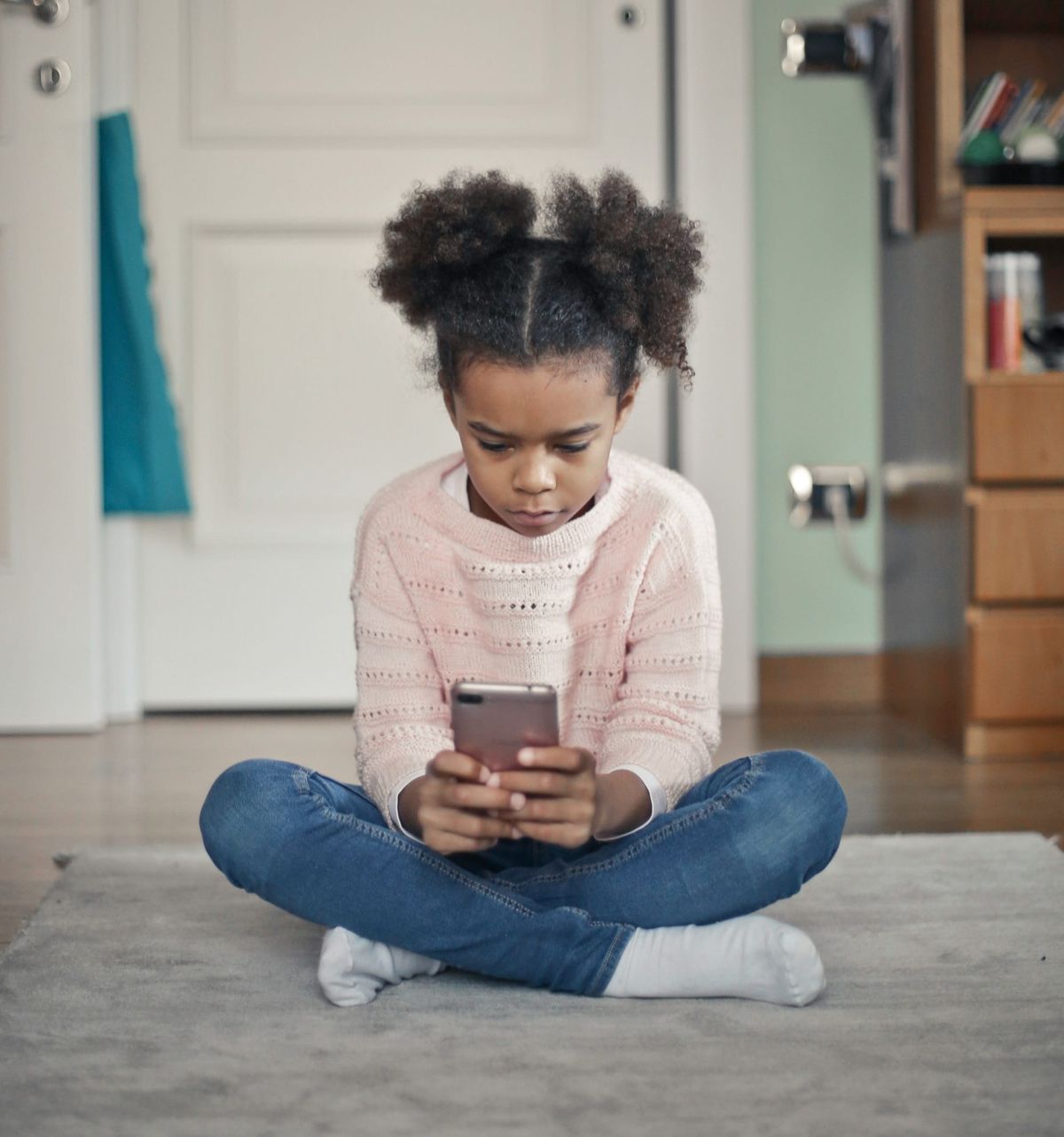
How do we give the world to our grandchildren? Help them see, play, grow, and explore in it by enticing them away from devices. Grandparents can do this on their own or offer support and experience to parents making the effort. Michaeleen Doucleff’s book Dopamine Kids: A Science-Based Plan to Rewire Your Child’s Brain and Take Back Your Family in the Age of Screens and Ultraprocessed Foods explains how to do it—and just might be the jumpstart your family needs.*
Big promises, but with a lot of backing. Doucleff explains that people (and animals) get a dopamine surge from various experiences—tasty food, a little win, the ping of an alert that says something interesting has arrived. But—and here’s the key point—the dopamine doesn’t produce pleasure or satisfaction, it produces wanting. Especially if the rewards are intermittent, one can end up stuck in a cycle of wanting: viewing one post after the other, playing level after level, or obsessively checking a phone. As we repeat the behavior, our brains “rewire” to respond to and crave the app, game, or device. As eloquently evoked in Gabor Maté’s excellent book on addiction, we become Tibetan Buddhist hungry ghosts—spirits of the dead with giant bellies and tiny mouths, stuck in the misery of hunger. Our hunger for screen-induced dopamine is bad enough in itself, but it also distracts us from healthful physical and mental activities that bring true and lasting satisfaction—unlike the number of “likes” on a post.
Children and teens are especially vulnerable to this effect. The parts of the brain that best exercise restraint are underdeveloped until young adulthood; they don’t understand that the device, app, or game is purposely designed to hook them; and they don’t have the experience to suggest other activities to themselves—especially if they are used to a lot of screen use.

Undoing the damage
To come up with the gameplan for undoing the harm in her own family—and to present a process adaptable for others—Doucleff interviewed leading scientists, psychologists, and technology experts. She learned that you can’t just quit the screens: Too painful. Instead, you need to find ways to truly satisfy children’s physical and psychological needs. She identifies six fundamental needs that screens subvert (plus one more for junk food: eating healthful fiber): creating, being useful or skilled, touching and being touched, being challenged, experiencing progress, and relaxing. Social media, games, and streaming offer ersatz satisfaction for each, but without closure because they are designed to keep you wanting more. Analog/real world activities are more satisfying in part because one needs to put in more work to get the reward, and often because of the tangible results.
A typical weaning process begins with recognizing a problem—say, phone use in the car. The kids are texting their friends or gaming. An adult passenger is reading the news or checking the weather. Maybe even the driver answers a text at stoplights. No one talks. The adults realize that they value talking to the kids, that the kids will get a lot out of sharing and exploring in conversation, and this commuting time is great for chatting. But the adults don’t just say “no phones in the car, you have to talk to me.” That approach would probably backfire! Instead, they come up with something else that would be fun to do in the car. Depending on the kid, this might be a magnetic board game, singing, reading, getting homework done, whatever would appeal. Then they ask the kids to try out the alternative for a week, explaining why, and talking up the benefits a lot. With luck, the kids take to the new arrangement—that is, they start to notice that the alternative activities are actually more fun/satisfying than the phone. Then, by starting conversations, the adults can start to nudge the change toward the original goal of conversing in the car. If all goes well, the next step is to create a narrow but absolute rule: “This family doesn’t use phones in the car.” (Note that the WHOLE family doesn’t use phones—it’s not a kids-only requirement.) Now the family has made their car a phone-free sanctuary.
The process obviously requires a great deal of commitment, especially as one expands it beyond the very narrow confines of the commute to broader areas of the child’s and adult’s life. But Doucleff’s experience with her own method, her past extensive research on child-rearing in other cultures, and the information she presents from her sources, convince me that doing this work is crucial for children’s physical and mental health—and our own. The book does have the drawback that Doucleff’s practical experience includes just herself and her one daughter, and so might have been atypically easy and successful. At the very least, parents or grandparents embarking on this process will need to know themselves, their (grand)children, and the likely sticking points before implementing a plan. Perhaps most especially themselves: You’re not going to succeed if you keep breaking the new family screen rules.
Grandparents make great allies
Once the parents are committed, however, grandparents can be terrific allies. First off, we can learn about the steps they are taking, and support the rules when the children are in our care. We also know first-hand what it was like without the devices because we spent most of our lives without them. Although we realize that tech is great for various efficiencies and for keeping in touch, we also remember how lovely it is not to be drawn away from a conversation, a sunset, or a book by a compulsion to check our phone. And—huge plus—we remember what we did as kids and what our kids did as kids, so we have a reservoir of ways to have fun, to learn, and to be creative, helpful, challenged, physically active, etc.—that is, ways to meet children’s fundamental needs—without devices.
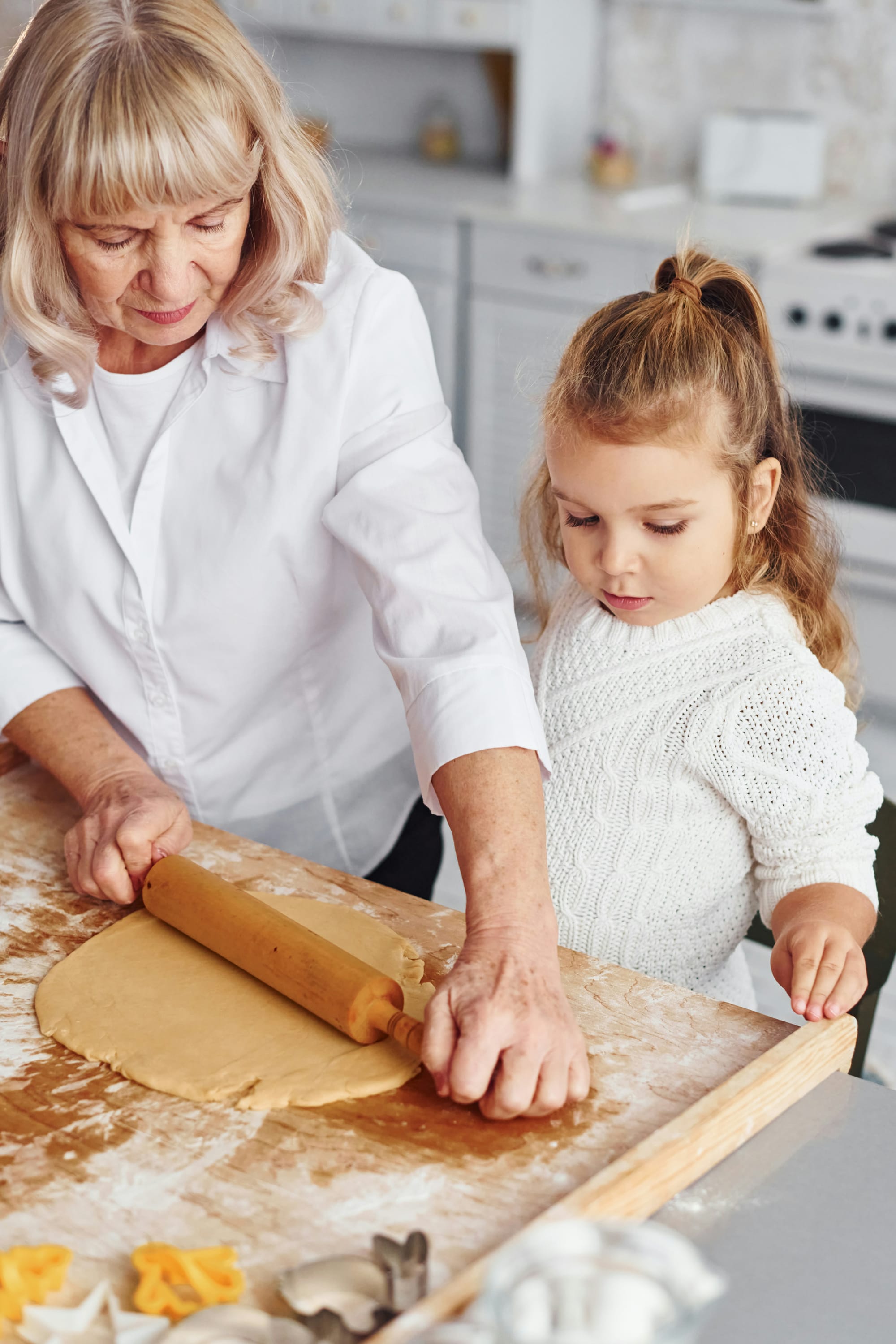
But even if the parents aren’t working to decrease screentime, grandparents can be an influence in that direction. For example, grandparents can draw on their old-school knowledge to introduce the grandkids to physical-world activities tailored to the grandchild—carpentry for one, drawing for another, or baking, or biking, or—if there are several—wrestling to their hearts’ content. (Many posts on this site offer ideas.) Grandparents can also facilitate reading during downtimes by asking the kids to bring books when they visit, keeping a stash of favorites, or making a trip to the library part of your time together. The activities that catch on with the kids can make great substitutes if you decide to up the ante by designating your time together, or some portion of it, as screen free.
Grandparents are also in great position to help kids meet their fundamental need to learn new skills and contribute to the family. “Will you please help me…” is a line an older person can pull off quite effectively. The grandkids can help with little or big errands and chores, and they can practice self-reliance while they are with you by, for example, making their own sandwiches or washing their own dishes. For me, this focus will be new. I tend to serve the kids, a habit from when they were little. The goal will be to introduce slowly to pitching in more, with a lot of praise, building on habits their parents are already instilling.
After some discussion with the parents, grandparents can also help the grandchildren have adventures, meeting the kids’ need to stretch their capacities and wings. Although we didn’t have this language or the anti-screen intent at the time, we have done this in various ways: After asking his parents (!), we let our then-almost-five-year-old grandson ride his bike around the block by himself. He was so proud (and we were so nervous)! Our trip to Chicago stretched our eldest grandson by being away from home, being in big crowds, riding public transit, and zipping down giant waterslides (oh yeah—that was ME stretching in that last one).
With my small experience in cutting back on screen use, I can almost guarantee that your being an ally or leader in anti–hijacked-dopamine efforts for the grandkids will feel good to you—especially because you’ll need to fight your own addictions at the same time.
*Doucleff’s book also explains how to rid kids’ (and our) lives of junk/ultraprocessed food, but I’ll leave talking about that to another post.