What does your body do?

Taking care of kids is very physical. It takes strength and stamina, especially when they are quite young: carrying them, chasing them, lugging their gear. Caring for an infant, one’s body wordlessly comforts and relaxes them. Time spent together often involves physical skills: From baking or crafts to biking or video games, most of what we do with kids has a practiced physical component. That’s even true of talking or reading, when you think about it. Observing this, I got to thinking about how central our bodies are for learning, connecting, and communicating with our grandchildren—and yet how underappreciated.
Part of the reason we don’t notice our bodies’ capabilities is that they tend to “go underground.” For example, the physical how-to of skills like biking, sewing, or wielding a videogame controller is so practiced that we don’t need to think about it. In fact, being more conscious of what you’re doing can mess you up: If you tried riding a bike by consciously instructing your muscles what to do, you’d be flailing.
Body talk
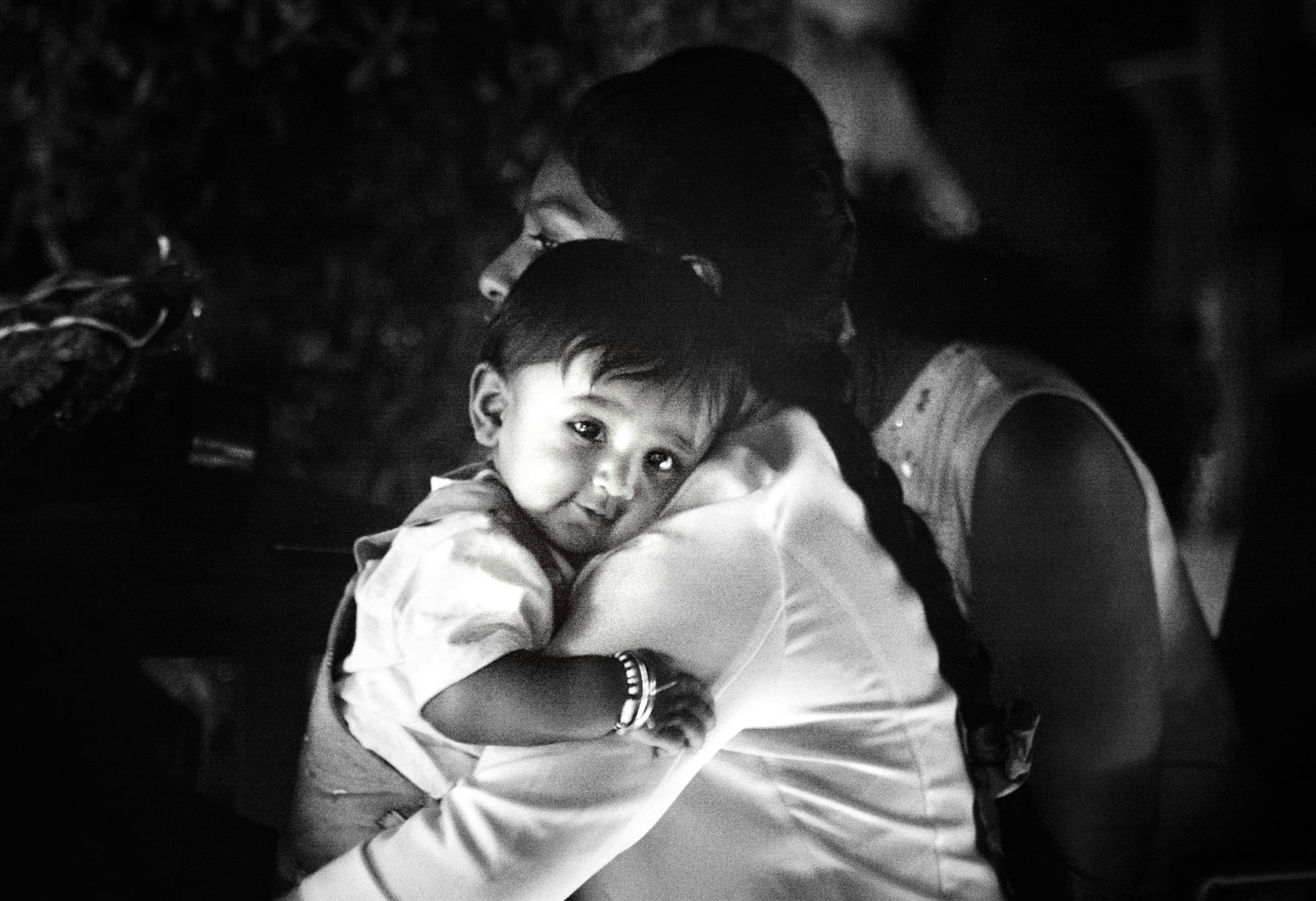
The body language we use for communication often goes underground, too. But that two-way-street of wordless communication continues all the same. A baby’s body will show she is tense, or hurts in her belly, or feels wiggly and needs to move. The caregiver responds, using their body to gently help her calm, or get into a comfortable position, or to let her move freely. Toddlers and preschoolers show you with their expressions or tears or agitation that they are hurt or upset—or maybe give you a body slam to say they love you. Caregivers respond physically, too, maybe offering a hug or a lap or a hand to quiet the hurt or to share the enthusiasm or tenderness. An older child’s slouch or eye roll—or that special bounce in their step after a success—tells you reams about how they are doing. And you can respond wordlessly, to signal calm, reassurance, agitation, anger, attention, appreciation, love, or any other emotion. But again, despite their complexity, we mostly give and receive body-language messages unconsciously.
Of course there are also conscious, attentive aspects to using our bodies’ skills. Part of passing a skill onto the grandchildren is to demonstrate a move slowly or to explain what you are doing: Fold ingredients together by stirring gently from the bottom, like this. To do a hockey stop, use your skate edges and your knees like this. In the midst of explaining or demonstrating, our bodies come into focus. Similarly, if you’re practicing a new skill yourself, you’ll attend closely to your body’s new moves. And sometimes decoding body language needs conscious thought. Is that tense or squirmy baby hungry? Hurting? Tired? Bored? Lonely? Similarly for figuring out what’s causing a teen’s good or bad day, and how to respond.
That conscious attention to the body’s signals—your grandchild’s and your own—is crucially important. As children grow up and become more clearly expressive, and as they move physically away to sit or crawl or walk by themselves, caregivers need to observe consciously, and then respond, because you won’t see the child’s body language or engage your response appropriately if you’re not first attentive. Nor will you notice your own skilled or not-so-skilled responses if your body is always on autopilot.
I’ll take credit for the general observation that childcare is very physical, but the insights above about the body’s disappearance came from philosopher Drew Leder’s fascinating and fairly accessible book, The Absent Body. There, he argues for a view of our human-ness that is both unified (body and mind) and expansive (mind/body and world). A quick summary: As I did above, Leder draws on common experiences to illustrate the many ways our bodies disappear much of the time. But! when we are sick or in pain, our bodies take over our attention (many of you were probably already thinking about that big exception). Perhaps counterintuitively, both the typical disappearance of the body and the hyperawareness during times of distress lead us to experience the mind and body as separate: Disappearance does so because our focus goes to our observations or words; illness because it’s typically experienced as alienation from a body that’s not cooperating, or that is being invaded. (Just days ago, a friend experiencing some “indignities of age” exclaimed, “My body is not cooperating!”) But that dualistic view—mind vs. body—Leder says, is wrong. Instead, our bodies—especially our senses—are our connection with the world and other people. Our bodies open up our experience onto the world, including other people, and in turn, we take in the world—including our experience of other people—and that experience changes our minds.
I like Leder’s terms for these multidirectional processes. One term is “incorporation”—literally taking into the body—describing our acquisition of the myriad physical skills most of us possess. Because we have incorporated the skills, we can type, ride our bikes, and interpret body language mostly without detours through our attentive consciousness. It’s because kids are still working on incorporation that these skills are still hard for them. “Practice!,” we remind them.
Meanwhile, our bodies change in other ways, too. Babies and children grow rapidly (they very literally incorporate food in order to do this), and they need to adjust and recalibrate their capabilities along the way. At puberty, an adolescent’s body becomes newly capable and newly strange. So teenagers often become highly attentive to their bodies, having to adapt to their body’s new size, shape, and responsiveness. Older folks often need to incorporate new skills as old ones become impractical or impossible—maybe losing their secure stride and adopting a cane or walker.
The feelings are mutual
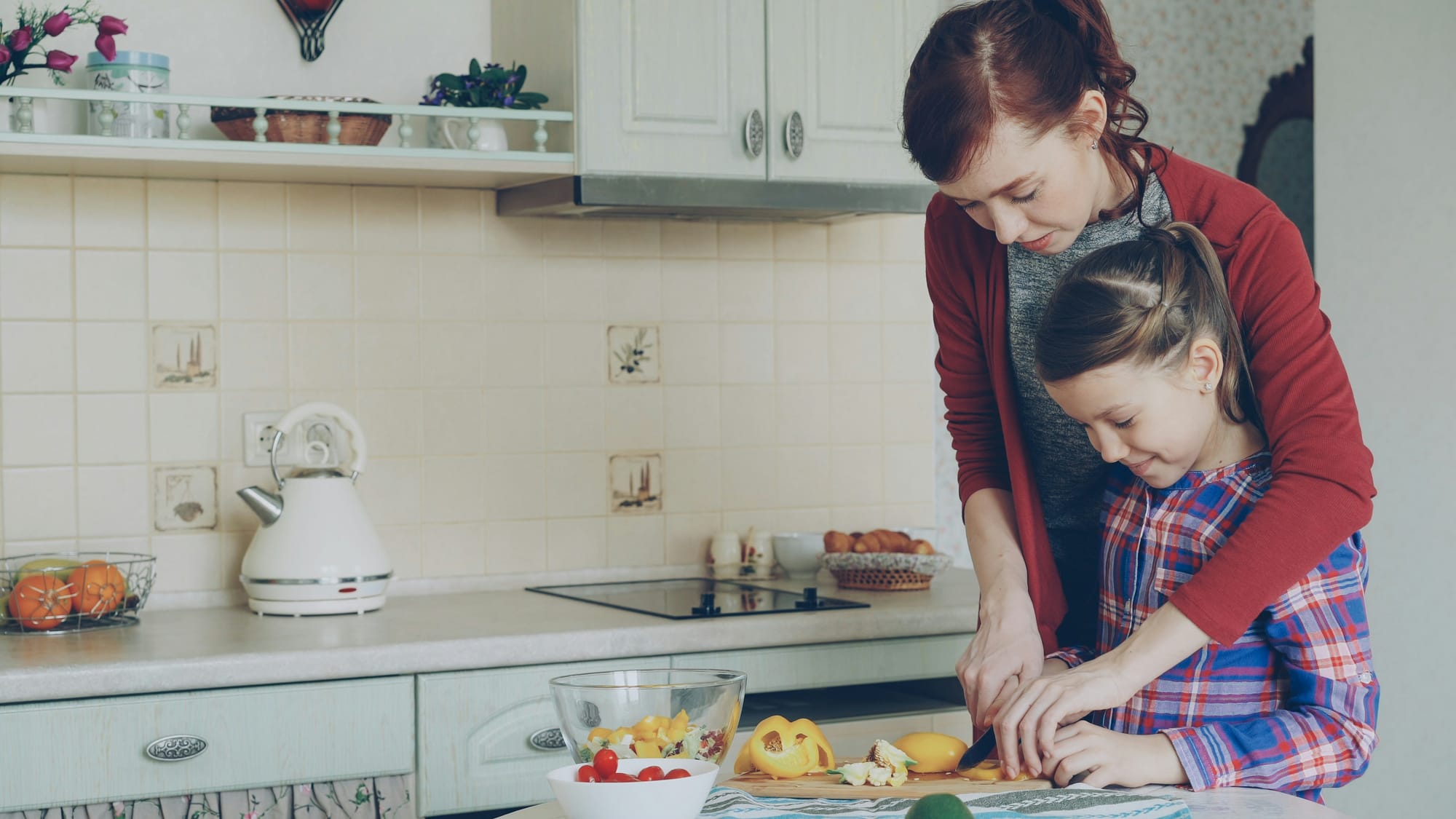
Expanding on the idea of incorporation, Leder adds the idea of “mutual incorporation.” Showing a grandchild how to perform a skill, or reading a child’s body language, exemplify forms of mutual incorporation. But the term is richer: It emphasizes the literal taking in, physically and mentally, of what the other person offers, and—very importantly—it emphasizes mutuality. Shared moments and experiences thus reach across the divides between us, forming each participant into something different than they were. Amazing to think what deep mutual influence grandparenting can bring!
However, the power of mutual incorporation can work for ill, too. If the person we’re in contact with chooses to separate from us, objectify us, or shut us off rather than engage, we will incorporate that rejection. When people are dehumanized or brutalized, they incorporate that experience. Little Liam (the boy in the bunny hat) was listless and sick in prison, and now has nightmares at home. Teens can experience something similar: girls can be objectified and sexualized, black teenage boys can be objectified and feared—and they will incorporate these experiences.
It's important to increase our awareness that people have that power to damage others. That’s part of what Governor Tim Walz was getting at in his observation that Minneapolis will now be dealing with generational trauma. But I’ll assume readers will be attuned, in their own lives, to staying on the joyous side of mutual incorporation. And what an idea to hold onto—that the grandchildren and I change each other, physically and mentally, as we do our crafts, play games, share conversations. And that the parts of the world we share act on all of us, and we on it, in participation that’s both personal and internal and expansively inclusive of what we experience and share.